Happy Lamb: A Seasonal Embroidery Gem
First Impressions: Playful, Cozy & Instantly Gift-Ready
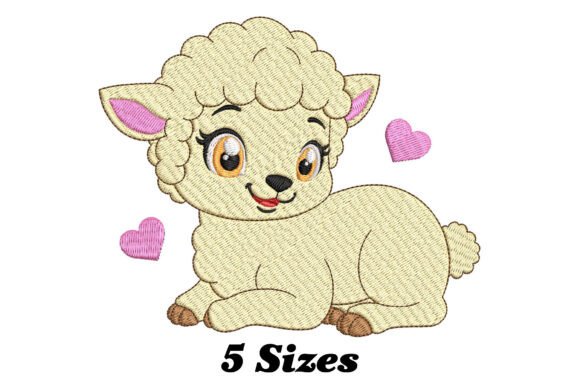
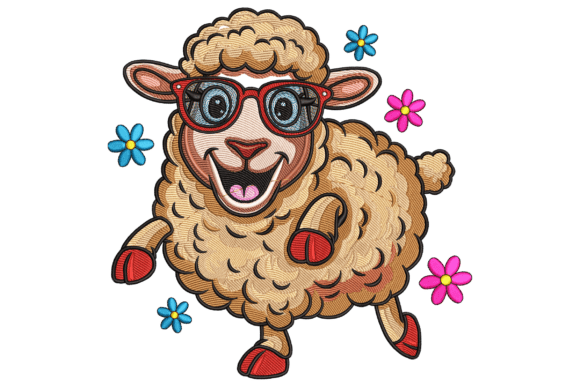
As an embroidery designer who’s built seasonal collections for over a decade—think Easter markets, holiday craft fairs, and Etsy gift drops—I opened Happy Lamb with high expectations. What greeted me wasn’t just another farm animal motif—it was warmth in thread form. The design radiates playful charm with soft curves, rounded ears, and a gentle, smiling expression that lands somewhere between nostalgic and modern. It doesn’t scream “Easter” or “Christmas,” but it absolutely belongs in both. That versatility is rare. Unlike overly literal holiday motifs, Happy Lamb leans into cozy, approachable whimsy—ideal for handmade gifts where emotional resonance matters more than rigid seasonal timing.
Real-World Holiday Use: From Sweatshirts to Stocking Stuffers
I immediately pictured Happy Lamb stitched onto organic cotton sweatshirts for family matching sets—soft grays, oatmeals, and sage greens make the design feel elevated, not juvenile. On linen kitchen towels? Perfect. It adds quiet personality without overwhelming daily use. For Etsy sellers, this is gold: pair it with a simple “Farmhouse Kitchen” listing title and a printable mockup showing the lamb centered on a folded towel beside mason jars and dried lavender—and watch engagement rise.
Tote bags and pillow covers are where Happy Lamb truly shines commercially. Its balanced proportions scale beautifully across 5×7" and 6×10" hoops, and its clean outlines hold up even when resized slightly for smaller items like embroidered patches or ornament backings. I tested a digital mockup of Happy Lamb on a cream baby blanket—paired with subtle cross-stitch sheep accents—and it read instantly as a premium personalized gift. For craft fairs, I’d stitch it onto aprons with coordinating fabric binding and bundle them with herbal tea sachets. That kind of cohesive storytelling sells faster than standalone designs.
Where to Use Happy Lamb With Intention (Not Assumption)
Let’s be practical: not every surface welcomes Happy Lamb equally. On thick terry cloth towels, stitch density becomes critical—test with medium-weight cutaway stabilizer and reduce top tension slightly to prevent puckering. Dark fabrics demand careful thread color choices; a creamy ecru or heather gray works better than stark white for soft contrast and long-term wear. And while the design looks delightful on stretchy knit sweatshirts, avoid placing it over high-movement seams (like underarms) unless you’ve pre-tested with tear-away + cutaway combo stabilizer.
Small hoop sizes (under 4×4") require caution—the facial details and inner ear lines may lose clarity. Likewise, metallic thread isn’t recommended here; the charm of Happy Lamb lives in its friendly simplicity, not shine. Curved surfaces like baseball caps? Skip it. The design’s gentle contours don’t adapt well to tight curvature without distortion. And if you’re stitching for commercial embroidery clients who expect heavy-duty washability (think daycare apparel or nursing home linens), confirm the stitch count isn’t overly dense—check the Creative Fabrica embroidery file details before digitizing for production runs.
Seasonal Appeal That Builds Trust & Repeat Buyers
Happy Lamb strengthens seasonal appeal by feeling *human*, not algorithmic. Shoppers scrolling Etsy during holiday crunch time respond to authenticity—not just cuteness, but warmth they can imagine giving to someone they love. That emotional hook translates directly to perceived product value. When customers see Happy Lamb on a hand-finished pillow cover with French seams and matching piping, they don’t see “farm animal embroidery.” They see care, intention, and a story they want to be part of.
For small shop owners, consistency matters. Using Happy Lamb across a limited-edition holiday line—say, matching toddler onesies, ceramic mug sleeves, and embroidered gift tags—creates visual recognition without repetition fatigue. Social media previews perform stronger when the same gentle motif appears across formats: flat-lay photos, short reels showing the stitch process, and even printable promotional graphics for local boutiques. That cohesion builds brand trust faster than any discount code.
Designer Notes You’ll Wish You Had Before Your First Batch
- Always test thread colors on both light and dark fabric swatches—what reads sweet on ivory may look washed out on charcoal.
- Confirm hoop size compatibility before purchasing. Not all Creative Fabrica embroidery files include multiple hoop options, and resizing beyond 10% can compromise detail integrity.
- Use stabilizer intentionally: lightweight cutaway for stable wovens (pillow covers, aprons), medium-weight tear-away + topping for towels, and soft stretch stabilizer for knits.
- Create realistic mockups using actual fabric textures—not just white backgrounds. Buyers scroll past generic renders.
- Review small details post-stitch: check inner ear lines and eye highlights for skipped stitches, especially at higher speeds.
- Plan your palette early. Happy Lamb pairs beautifully with muted earth tones, sage, dusty rose, and warm oatmeals—colors that sell year after year.
- Double-check licensing terms on the Creative Fabrica product page before listing finished goods. Some embroidery files allow commercial use only with attribution or limit units per license.
Final Thought: More Than a Farm Animal Design
Happy Lamb isn’t just another entry in the Farm Animals category—it’s a thoughtful, emotionally intelligent machine embroidery design built for real seasonal commerce. It bridges the gap between playful and polished, handmade and market-ready. Whether you’re an Etsy seller launching your first holiday collection, a craft fair veteran refreshing your lineup, or a small business owner adding embroidered personalization to your gift offerings, Happy Lamb delivers charm without clutter, versatility without vagueness, and seasonal warmth that feels earned—not imposed. In a sea of holiday embroidery, it’s the quiet one that gets remembered. And that’s exactly what makes it worth stitching.