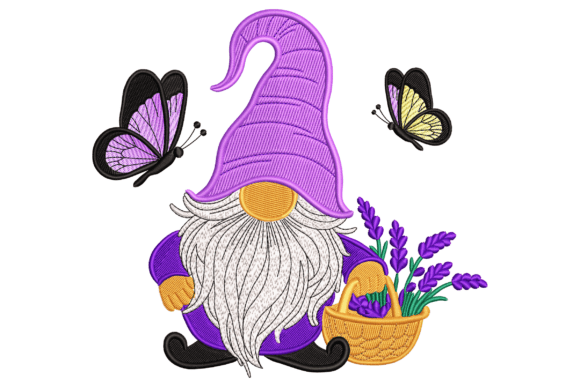
Lavender Garden Gnome
First Impression: Cheerful, Artistic, and Instantly Spring-Ready
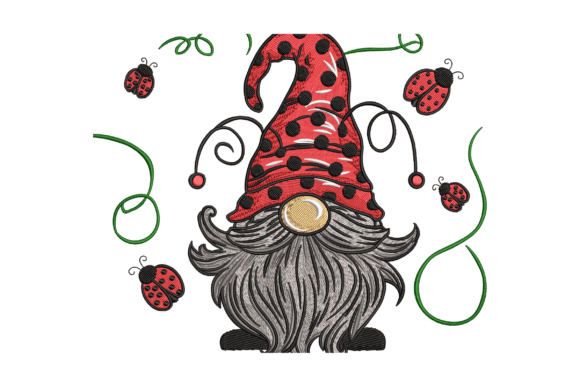
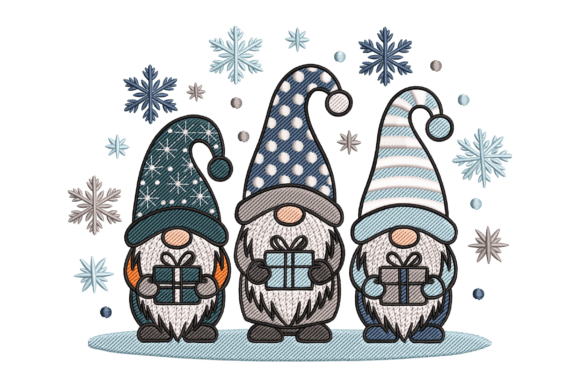
As an embroidery designer who’s prepped over 200 craft fair booths—from Portland bazaars to Nashville maker markets—I know what stops a shopper mid-aisle. Lavender Garden Gnome delivers that pause. It doesn’t scream “trendy” — it hums it. The name alone cues soft lavender tones, cottagecore charm, and gentle whimsy—no cartoonish exaggeration, no forced humor. It feels like a hand-painted garden journal sketch translated into thread: cheerful but grounded, artistic but approachable. For Spring-themed displays, it’s not just seasonally appropriate—it’s emotionally resonant. Customers don’t buy gnomes; they buy nostalgia, calm, and a quiet sense of joy. That’s the hook.
Where Lavender Garden Gnome Shines in Real Booth Displays
In my booth setup last spring, I tested Lavender Garden Gnome across seven product types—and three stood out as consistent sellers:
- Tote bag design: Centered on natural canvas or oat linen, it reads clearly from six feet away. The gnome’s posture and lavender sprigs create vertical rhythm that balances oversized bags without overwhelming them.
- Tea towel embroidery: On flour-sack cotton or medium-weight linen, the design holds its shape beautifully—even after washing. The “cheerful and artistic touch” described in the product copy is literal here: it elevates utilitarian kitchen textiles into giftable handmade products.
- Embroidered patch: When stitched onto twill or denim, this design becomes a versatile, scalable asset. I attached patches to aprons, market bags, and even small drawstring pouches—and watched customers pick up two or three for mixing and matching.
It performed well—but less dominantly—on caps (curved surface compresses fine lavender details) and pillow covers (requires careful hoop placement to avoid distortion). As an apron embroidery? Strong, especially on bib-style aprons where the gnome anchors the upper chest area with visual weight.
Production Reality Check: What Works—and What Needs Caution
This isn’t a “stitch-and-go” file. As a working embroidery designer, I always ask: Will it hold up at scale, under pressure, in real light?
Lavender Garden Gnome works best as a focal design—not a tiny accent. At under 3 inches wide, the lavender stems risk blurring on textured towels or dark fabric. Tiny details (like gnome whiskers or petal edges) demand sharp thread contrast and precise stabilizer choice. On thick fabrics like duck canvas or quilted pouches, skip lightweight cutaway—opt for medium-weight tear-away *plus* a topping for surface smoothness.
Stitch density matters. If your machine embroidery design packs too many fills into tight spaces (e.g., the gnome’s hat or bundled lavender), you’ll see puckering on tea towels or stiffness on tote bags. Always test on scrap fabric *in the exact material* you’ll use—and check how it photographs. This design shines in natural light: soft shadows, muted backgrounds, linen backdrops. Avoid high-gloss mockups; they mute its gentle charm.
Why It Converts for Etsy Sellers and Small Shop Owners
Etsy search behavior tells us something key: “lavender embroidery,” “garden gnome pattern,” and “spring embroidery file” all trend upward March–May. Lavender Garden Gnome hits those terms organically—without keyword stuffing. Its title is descriptive, memorable, and brand-ready. Paired with a clean printable mockup (think: a linen tea towel draped over a wooden counter, lavender bundle beside it), it builds instant trust. Buyers don’t question quality—they feel the handmade intention.
For digital embroidery file sellers, this is repeatable inventory. It fits cleanly into a “Spring Collection” bundle alongside floral borders or herb-themed motifs. For commercial embroidery users, it layers well with monogramming (e.g., initials below the gnome on an apron) or coordinates with coordinating stitch files like bees or watering cans.
Booth & Brand Impact: More Than Just a Design
At craft fairs, Lavender Garden Gnome strengthens booth cohesion. I grouped it with lavender sachets, dried flower cards, and ceramic mugs painted with matching motifs—and suddenly, my table told a story. Customers lingered longer. They asked about the “story behind the gnome.” That’s engagement gold.
It also lifts perceived value. A plain cotton tote jumps from $18 to $26 when anchored by this embroidery file—not because it’s complex, but because it feels intentional, curated, and quietly premium. No glitter, no neon: just thoughtful execution. That aligns perfectly with today’s handmade product buyer, who values authenticity over flash.
Designer Notes You Can’t Skip
Before cutting your first production run, do these six things:
- Test the machine embroidery design on scrap fabric—same weight, same finish—as your final product.
- Check thread colors against your base fabric. Lavender thread on deep purple? It’ll vanish. Go for tonal contrast: heather gray thread on oat linen, or dusty rose on cream canvas.
- Review spacing between elements. Does the gnome’s base sit comfortably above text or borders? Tight crowding kills readability.
- Confirm hoop size compatibility. If your embroidery file requires a 5x7 hoop but you’re stitching on curved cap fronts, you’ll need re-digitizing—or a different application strategy.
- Inspect stitch density visually. Zoom in on your embroidery software. If lavender clusters look solid black instead of layered texture, reduce fill density by 10–15%.
- Use the right stabilizer for your fabric texture—and always pair it with a water-soluble topping on napped or looped surfaces like terry cloth towels.
And one non-negotiable: verify commercial licensing before selling finished products. This is a digital embroidery file—its usage rights determine whether you can legally sell embroidered tote bags, patches, or wholesale aprons. Don’t assume. Check the license before your first craft fair invoice prints.
Final Thought: A Spring Staple, Not a Seasonal Flash
Lavender Garden Gnome isn’t just another embroidery file. It’s a mood, a moment, and a reliable craft fair product anchor. It performs across categories, photographs with warmth, and invites connection—not just purchase. For embroidery business owners building a signature style, for Etsy sellers refining their Spring collection, and for boutique makers seeking cohesive, heartfelt design assets—it earns its place. Just remember: let the lavender breathe, keep the stitches intentional, and always, always test before you display.