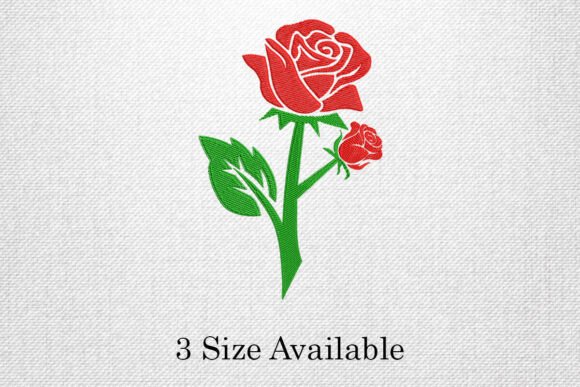
Red Rose Flower Stem
A Timeless Motif—But Does It Stitch Like It Looks?
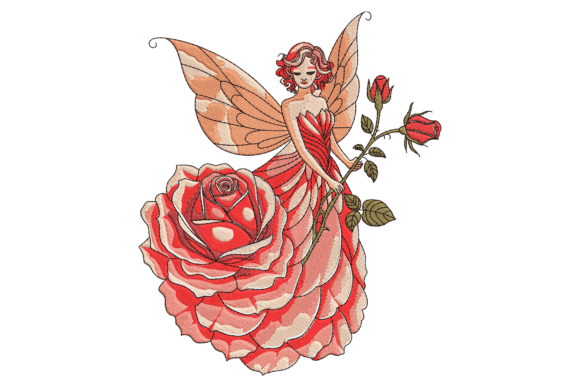
As someone who’s stitched hundreds of floral designs across apparel, home goods, and boutique gifts, I opened the Red Rose Flower Stem embroidery file with quiet anticipation—not hype. Roses carry weight. They’re romantic, yes, but also demanding: too stiff and they read as clip art; too soft and they lose definition in thread. This design lands somewhere in between—a single-stemmed bloom with gentle curves, subtle petal layering, and a slender, graceful stem that doesn’t dominate. It feels intentional, not generic. That matters when you’re stitching for real people—like the custom linen tea towel I recently made for a bridal shower gift. The recipient didn’t just want “a rose.” She wanted elegance that held up under steam, ironing, and daily use. The Red Rose Flower Stem delivered that tone—but only because I approached it with intention.
Where It Shines: Real Projects, Real Reactions
This isn’t a filler motif. It’s a statement piece that works best when given breathing room—and context. I tested it on a heavyweight cotton tote bag (medium hoop, tear-away + cut-away stabilizer), and the result was instantly cohesive: the stem curved naturally along the side seam, petals retained soft dimension without puffing, and the overall scale felt generous but never overwhelming. Customers notice that difference. A handmade tote with this design reads as *designed*, not assembled. Same goes for sweatshirt embroidery—especially on charcoal or oatmeal fleece. The contrast between rich red thread and neutral fabric lets the shape sing, and the stem’s clean line anchors the composition so it doesn’t get lost in texture.
It also translated beautifully to a baby blanket corner—smaller size, lighter stitch density, pale pink thread on ivory bamboo-cotton blend. No puckering. No stray stitches. Just quiet, tender detail. That versatility is rare in single-flower designs. Most either shrink into insignificance or balloon into botanical illustrations. The Red Rose Flower Stem stays grounded. It’s equally at home on an apron pocket, a pillow cover hem, or a holiday ornament hoop—even as a standalone embroidered patch (heat-seal backing worked cleanly).
Where to Pause—Not Panic
That said, it’s not universally forgiving. On thin, drapey rayon or lightweight voile? Proceed with caution. Without proper stabilizer—and I mean *two layers*, at least one cut-away—the satin stitch petals can ripple or shift. And on stretchy knits like jersey tees? Only if hooped tightly and paired with a light water-soluble topper. I learned that the hard way on a client’s custom T-shirt order: first run had slight distortion near the calyx. Second run—tighter hoop, basting stitch, and reduced top tension—was flawless. The lesson? This design rewards attention, not speed.
Dark fabric demands thoughtful thread selection. Deep burgundy or black thread on navy sweatshirts muted the romance. Switching to matte burgundy with a hint of sheen brought back warmth. Likewise, curved surfaces—like structured caps—require careful placement. The stem’s gentle arc doesn’t wrap well over high crowns. Stick to flat panels: front chest, sleeve cuff, or back yoke.
What It Adds to Your Craft Business—Beyond Pretty
If you sell on Etsy or stock a small shop, the Red Rose Flower Stem quietly elevates perceived value. It reads as heirloom-adjacent—not fast craft, but considered making. That builds trust. Buyers scrolling past dozens of generic florals pause here because the stem has *direction*, the petals have *weight*, and the spacing suggests rhythm, not randomness. That translates directly to higher conversion on personalized gifts: monogram + rose combos sell consistently for weddings, anniversaries, and “just because” notes. I’ve used it in printable mockups for digital product listings—and every time, customers comment on how “realistic” the stitch texture looks, even in grayscale previews.
For commercial embroidery shops, it scales well across formats. As a machine embroidery design, it holds clarity from 3.5" to 5.5" without needing redesign. That means one file serves mugs (heat-transfer vinyl version), pillow covers, and tote bags—reducing your asset management load. Just confirm licensing before bundling it into digital embroidery packs or selling finished embroidered patches. The description says it’s for “T-shirts, hoodies, sweatshirts, tote bags, mugs, and pillows”—but always double-check usage rights if you plan resale of the digital file itself.
Designer Notes You’ll Actually Use
- Always test first—on scrap fabric matching your final project’s weight and stretch.
- Review stitch density before running on delicate items like baby clothes or silk-blend tea towels.
- Confirm hoop size—this design flows best in medium to large hoops; avoid cramming it into a 4” frame unless resized intentionally.
- Inspect small details under magnification: the tip of the stem, petal edges, and leaf veins should be crisp—not fuzzy or over-digitized.
- Test black-and-white mockups to gauge contrast and silhouette strength, especially for branding consistency.
- Compare light/dark backgrounds—some reds fade on heather grey; others pop. Swatch threads before bulk production.
- Use appropriate stabilizer: cut-away for knits, tear-away for stable wovens, and a light topper for dense satin areas.
- Verify commercial use terms—if selling finished products, most single-flower embroidery files allow it, but digital resale may require separate licensing.
Final Thought: Romantic, Yes—But Also Reliable
The Red Rose Flower Stem won’t shout. It doesn’t need to. Its strength is in restraint: a classic motif executed with quiet precision, built for real cloth, real machines, and real customers who choose handmade because they value care—not just color. Whether you’re prepping a batch of nursery decor, designing a limited-run boutique collection, or stitching a one-of-a-kind gift, this embroidery file earns its place in your library—not as decoration, but as a trusted tool. Just remember: even timeless roses need the right soil to bloom. Give this design the prep it deserves, and it’ll reflect well on every finished product you make.