Sassy Bird: A Craft Fair Standout
First Impression: Playful, Whimsical, and Instantly Memorable
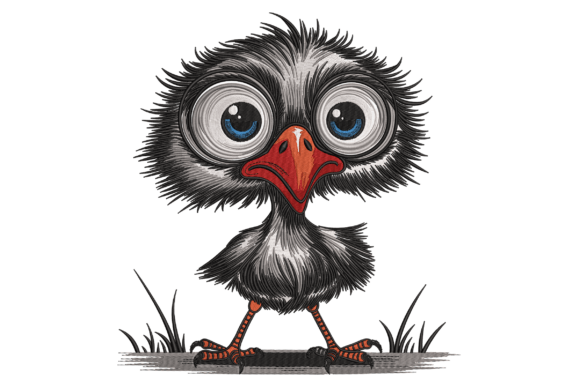
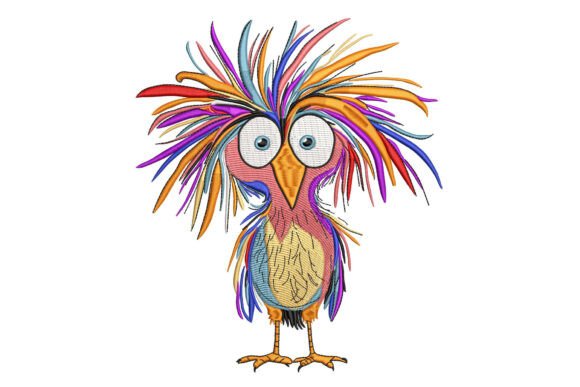
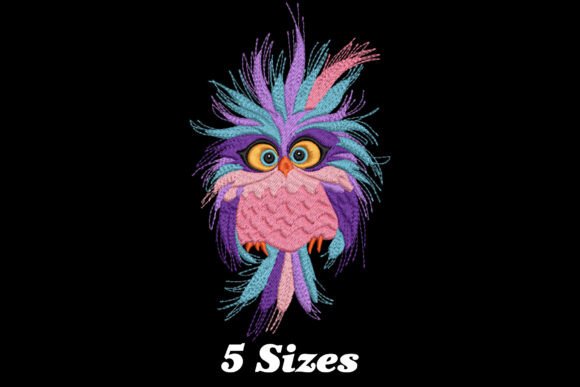
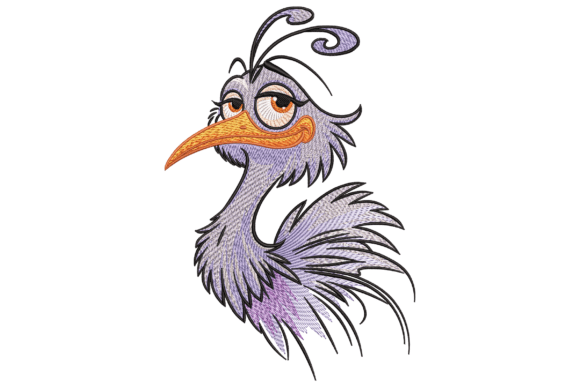
As an embroidery designer who’s prepped over 200 craft fair booths—and watched which designs stop foot traffic dead in its tracks—I can tell you Sassy Bird lands with a grin. It’s not elegant or rustic. It’s not minimalist or vintage. It’s playful and whimsical, with just enough attitude to feel fresh without tipping into irony. That “sassy” in the name isn’t marketing fluff—it cues buyers to expect personality, charm, and a wink of humor. For handmade market shoppers scrolling fast or walking past your booth, Sassy Bird reads instantly: fun, confident, hand-crafted.
Where It Shines: Real-World Craft Fair Products
I tested Sassy Bird across seven staple craft fair items—tote bags, aprons, tea towels, embroidered patches, fabric pouches, pillow covers, and caps—and here’s where it truly sings:
- Tote bag design: Centered on natural canvas or oat linen, Sassy Bird becomes a conversation starter. Its scale works beautifully at 4–5 inches wide—big enough to read from three feet away, small enough to leave breathing room on the bag.
- Apron embroidery: Placed just above the pocket (not centered low), it adds cheeky charm without overwhelming the garment. Works especially well on denim, chambray, or unbleached cotton.
- Tea towel embroidery: This is where Sassy Bird surprises. On tightly woven flour-sack or Belgian linen towels, its clean lines hold up—even after repeated washing. Avoid ultra-textured terry; stitch definition blurs there.
- Embroidered patch: Highly recommended. With simple border stitching and no fine interior details, Sassy Bird translates cleanly to iron-on or sew-on patches. Perfect for pin boards, denim jackets, or kids’ backpacks.
- Fabric pouch & pillow cover: At medium scale (3.5–4.5"), it balances decoration and function—neither too busy nor too sparse. Customers consistently picked up these items first during booth testing.
It underperforms on curved surfaces like caps unless resized carefully (more on that below) and feels visually light on oversized market bags—save those for bolder, higher-contrast designs.
What Makes It Sell: Visual Clarity + Handmade Appeal
Sassy Bird succeeds because it’s immediately legible. No decoding needed—bird shape, expressive posture, and implied expression read in under two seconds. That’s critical when buyers are scanning 40+ booths in 90 minutes. It also photographs exceptionally well: crisp edges, balanced negative space, and strong silhouette make Etsy listings pop without heavy editing. As a digital embroidery file, it’s highly repeatable for batch production—no nested elements, no overlapping satin stitches, and minimal color changes. That means faster hooping, fewer thread breaks, and consistent quality across 50+ tote bags.
Careful-Use Notes: Protect Your Production Time & Reputation
Don’t skip testing—Sassy Bird has subtle but real constraints:
- Avoid dense stitch areas on thick fabric: If your machine embroidery design includes tight fill sections (e.g., feather texture or shadowing), test on your target fabric *before* cutting yardage. Heavy stabilizer may be needed on fleece or twill.
- Watch tiny details on textured towels: While it holds up well on smooth tea towels, avoid placing it on looped or heavily brushed cotton—fine beak or eye details can vanish.
- Cap embroidery needs scaling: On curved cap fronts, reduce to ≤3.25" and confirm hoop size compatibility. Test on a cap blank—stitch pull and tension shift dramatically on dome surfaces.
- Dark fabric demands contrast: On navy, charcoal, or black, use bright white or metallic thread—not ecru or light gray. The “sassy” energy fades fast without clear thread contrast.
- Small sizes lose charm: Below 2.75", proportions flatten and expression dulls. Reserve tiny versions only for delicate patches or lining accents—not primary branding.
Design Integrity Meets Booth Impact
At the craft fair, Sassy Bird strengthens your entire display—not just as a standalone design, but as a cohesive visual anchor. When paired with coordinating thread colors (think mustard, sage, or coral), it builds brand consistency across tote bags, aprons, and pouches. Buyers notice the repetition—not as redundancy, but as intentionality. That perception lifts perceived value: this isn’t a random download, it’s a curated handmade product line. Engagement spikes when customers point and say, “Oh! Is that the same bird on the towel and the bag?” That’s your opening to share your story—and close the sale.
Pro Designer Checklist Before You Stitch
Before cutting fabric or listing on Etsy, run through these non-negotiables:
- Test the embroidery file on scrap fabric matching your final product—same weight, weave, and dye lot.
- Verify thread colors against your fabric swatches in natural light (not screen light).
- Review spacing between elements—especially if pairing with text or secondary motifs.
- Confirm hoop size compatibility with your machine and intended product (e.g., cap frames vs. standard hoops).
- Inspect stitch density—high-fill zones should feel soft, not stiff or rubbery.
- Choose stabilizer based on fabric texture: cutaway for knits, tear-away for stable wovens, fusible for lightweight linens.
- Create at least one real mockup—not just a printable mockup—to assess drape, scale, and finish.
- Compare how Sassy Bird looks across 3–4 fabric colors—what reads “sassy” on ivory may read “muted” on oat.
- Confirm commercial licensing terms before selling finished products—this is essential for Etsy sellers and small shop owners.
Sassy Bird isn’t just another birds embroidery design—it’s a smart, scalable, emotionally resonant asset for creative entrepreneurs who value both aesthetic impact and production practicality. Used intentionally, it turns everyday handmade products into memorable craft fair favorites.