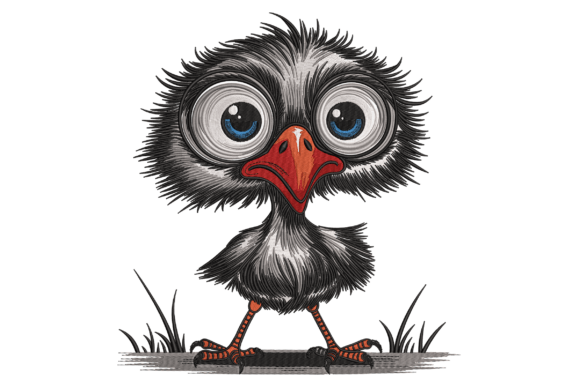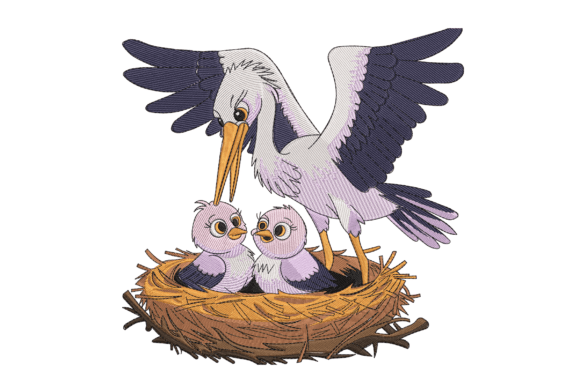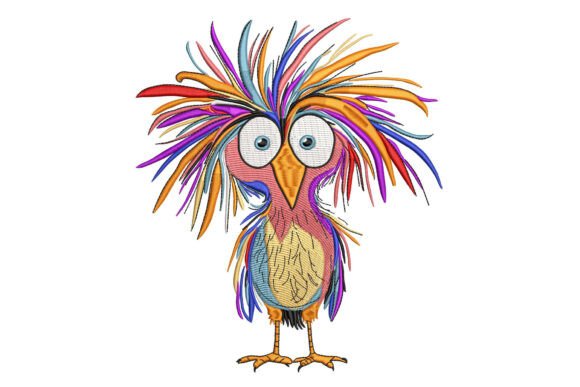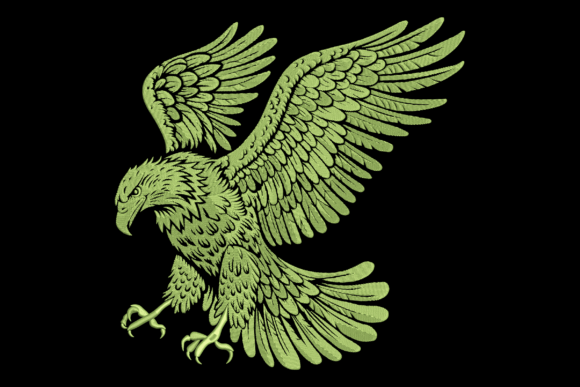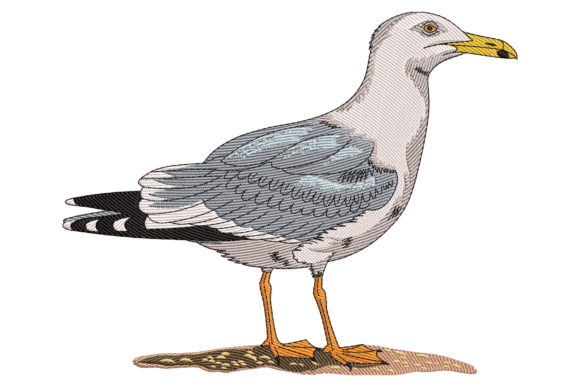
Seagull Bird Embroidery Design
First Impression: Playful, Whimsical, and Instantly Recognizable
As an embroidery designer who’s prepped over 200 craft fair booths, I’ll say it straight: Seagull Bird lands with cheerful clarity. It’s not fussy or overly detailed—it’s a friendly, confident silhouette with personality. Think coastal cottagecore meets modern handmade charm: breezy but intentional, light but not fragile. It reads as playful and whimsical at first glance—not elegant or rustic, not festive or minimal—but distinctly *alive*. That’s gold for craft fair buyers scanning a crowded table in under three seconds.
Where Seagull Bird Shines on Real Craft Fair Products
This machine embroidery design flexes beautifully across high-visibility, high-turnover items—exactly what moves at weekend markets and handmade shops.
- Tote bag design: Centered on a natural canvas tote or linen-blend market bag, Seagull Bird becomes an instant conversation starter—casual, summery, and effortlessly brandable.
- Apron embroidery: Placed just above the pocket or centered on the bib, it adds lighthearted professionalism—perfect for bakers, florists, and makers who want warmth without cliché.
- Tea towel embroidery: On flour-sack or waffle-weave towels, its clean lines hold up against fabric texture and repeated washing. No tiny wings or feather details to blur—just bold, readable charm.
- Embroidered patch: As a sew-on or iron-on, Seagull Bird works brilliantly for denim jackets, backpacks, or kids’ lunchboxes. Its scale and shape make it stable and durable.
- Pillow cover & pouch embroidery: At 3–4 inches wide, it anchors small-format products without overwhelming them—ideal for giftable handmade items that need personality, not clutter.
It’s less effective on curved cap surfaces unless resized thoughtfully—and avoid placing it near seams or tight folds where stitch tension can distort the outline.
What Makes Seagull Bird Sell—Beyond Cuteness
Selling isn’t just about “liking” a design—it’s about how well it translates into perceived value, booth cohesion, and buyer confidence. Seagull Bird delivers on three key fronts:
- Visual snap: It catches eyes from 6 feet away—even among saturated displays. Its open negative space and balanced proportions read clearly in sunlight, shade, or indoor lighting.
- Brand consistency: Whether you sell coastal-themed goods, minimalist home goods, or playful kids’ items, Seagull Bird adapts without diluting your voice. It’s versatile, not generic.
- Buyer engagement: Customers touch it, smile, and ask, “Is that real seagull?” That micro-moment of connection is where impulse turns into sale—and repeat customers begin.
Production Practicality: What You Need to Know Before Hooping
This isn’t a “set-and-forget” embroidery file. As a working designer, I treat every Seagull Bird run like a mini-test launch:
- Stitch density matters: Check for dense fill areas—especially if using textured towels or thick cotton. Over-stitching can cause puckering or thread breakage. If the file includes layered fills, consider simplifying for faster turnaround.
- No tiny lettering or micro-details: A relief! This design avoids the pitfalls of unreadable script or fragile wingtips. That means cleaner results on dark fabric, better contrast with standard thread colors, and fewer re-hooping headaches.
- Hoop size & stabilizer: Confirm the recommended hoop size before batch production. For tea towels and aprons, medium-weight cutaway stabilizer prevents shifting; for lightweight totes, tear-away works fine. Always test on scrap fabric first.
- Fabric texture is non-negotiable: Waffle-weave towels? Yes—but use a topping stabilizer. Felt or fleece? Avoid unless the file is optimized for low-pile surfaces. Curved caps? Resize to 2.5–3 inches max and verify stitch path flow.
Online & Digital Performance: From Etsy Listings to Printable Mockups
Seagull Bird photographs exceptionally well—clean edges, strong silhouette, no visual noise. That means your Etsy seller listings, Instagram posts, and printable mockups will convert. Use flat-lay shots on sea-toned linen or weathered wood to amplify its mood. Pair it with soft shadows and natural light—not studio glare—to preserve its handmade authenticity.
For digital embroidery file sellers: highlight its versatility in titles and tags (“seagull embroidery for towels,” “whimsical bird for tote bags,” “machine embroidery for small shop product”). Bundle it with coordinating elements (waves, clouds, anchor motifs) to boost average order value.
Smart Designer Habits Before You Launch
Before cutting your first thread or uploading to Etsy, do these six things:
- Test Seagull Bird on scrap fabric matching your final product—same weight, same weave, same dye lot.
- Check thread contrast: white thread on navy fabric may disappear; ecru or sand often reads warmer and more premium.
- Review spacing: ensure clear margins around the design—no clipping at the hoop edge.
- Inspect stitch direction: avoid horizontal fills on vertical towel hems where water runs and threads snag.
- Create at least one real mockup—not just digital. Hold it. Drape it. See how it feels in hand.
- Confirm commercial licensing: if selling finished products, verify the embroidery file permits commercial embroidery use. When in doubt, contact the designer or marketplace directly.
Final Thought: Seagull Bird Is Booth-Ready Charm
In a sea of samplers and seasonal trends, Seagull Bird stands out because it’s both specific and adaptable—a true craft fair product that feels intentional, joyful, and quietly sophisticated. It doesn’t shout. It glides in, lands gently, and makes people pause. For Etsy sellers, boutique makers, and small shop owners building a recognizable handmade identity, this bird isn’t just decoration—it’s a subtle signature. And in the world of Birds and Embroidery, that kind of quiet confidence sells.