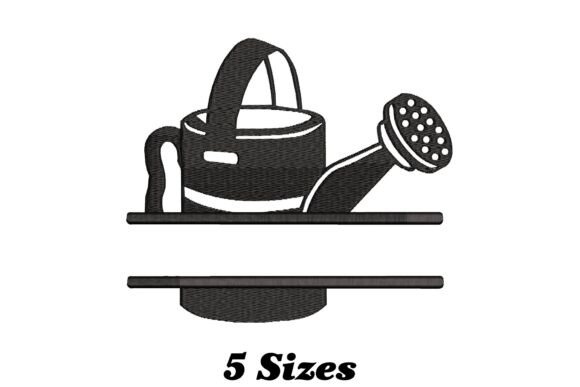
Watering Can Name Frame
A Charming, Thoughtful Embroidery Design for Meaningful Personalized Gifts
As an embroidery designer who’s developed and tested hundreds of machine embroidery designs for small shops and handmade brands, I approached the Watering Can Name Frame with both curiosity and high expectations. This isn’t just another floral motif—it’s a quiet storyteller. From the first glance at the digital embroidery file, it evokes warmth, tenderness, and gentle growth—perfect for baby embroidery, wedding gifts, or family keepsakes. Its mood is sweet but not saccharine, hand-drawn but precise, romantic without being fussy. It feels intentionally handmade—not mass-produced—and that subtle authenticity makes all the difference when customers are choosing a personalized gift.
Where This Design Truly Blooms
The Watering Can Name Frame shines brightest on items where sentiment meets everyday use. Picture it stitched onto a soft cotton baby blanket—delicate vines wrapping around a child’s name, the watering can tilted just so, as if tending to something precious. Or imagine it on a linen kitchen towel: practical, elegant, and quietly joyful. It works beautifully on pillow covers for nursery decor, custom aprons for garden-loving moms, lightweight tote bags for farmers’ markets, and even delicate pillow shams for wedding keepsakes. For Etsy sellers and small shop owners, this design bridges seasonal charm with year-round appeal—it’s floral, yes, but not tied to spring alone. It reads as timeless, not trendy.
What makes it especially versatile is its balanced composition: the frame creates natural boundaries for names or initials, while the watering can adds narrative depth. That visual structure helps reduce customer indecision—no need to overthink placement or font pairing. As a wedding gift, it whispers “nurture,” “growth,” and “shared care.” As a baby embroidery piece, it suggests protection and gentle beginnings. Even for craft fair products, it stands out—not too busy, not too sparse—just right for a buyer scanning dozens of handmade product displays.
Places to Use It With Care
Like any thoughtful embroidery file, the Watering Can Name Frame rewards intentionality. Its charm lives in fine details—the curve of the spout, the texture of leaves, the subtle shading in the handle—so it’s best avoided on fabrics that compromise clarity. Avoid using it on heavily textured terrycloth towels unless you’re willing to double-stabilize and test stitch density carefully. Stretchy baby clothes (like knit onesies) require extra stabilization and possibly reduced stitch count—always run a test on scrap fabric first. Curved surfaces—think curved tote bag handles or rounded pillow corners—can distort delicate lines; consider simplifying or repositioning the frame for cleaner results.
Dark fabric demands attention to thread colors and underlay. Lighter greens or creams may vanish without proper contrast—so confirm your chosen thread colors pop before stitching the finished product. And because many customers wash embroidered towels and blankets regularly, check how the design holds up after a gentle wash test: does the watering can retain shape? Do leaf edges stay crisp? These aren’t flaws in the design—they’re reminders that every embroidered towel, pillow cover, or blanket embroidery benefits from real-world validation before listing or gifting.
Why It Elevates Your Handmade Product—and Your Customer’s Experience
There’s a quiet magic in how the Watering Can Name Frame boosts perceived value. Unlike generic monograms or clip-art florals, this design invites emotional connection. A new parent sees more than stitches—they see care, continuity, and hope. A couple receiving it as a wedding gift senses intention behind every loop and fill stitch. That resonance translates directly into trust: customers believe your small shop product is made with attention, not automation.
It also performs exceptionally well in product photography. The frame naturally centers the eye, the watering can adds dimension, and the organic lines soften harsh lighting—making your Etsy listings or social media posts feel cohesive and professional. Buyers linger longer. They imagine the item in their own home. That engagement matters—not just for conversions, but for repeat customers who return for more custom embroidery pieces rooted in the same sincerity.
Practical Embroidery Notes Every Maker Should Follow
Before stitching your first Watering Can Name Frame for sale or gifting, take these steps:
- Always test on scrap fabric—especially if you’re switching between cotton, linen, or blends. Note how the leaves and spout render at your machine’s default settings.
- Confirm hoop size compatibility. Some versions of this embroidery file may be optimized for 4x4 hoops; others may require 5x7. Check before digitizing or resizing.
- Evaluate stitch density. If your machine hesitates or threads break during dense leaf fills, reduce density slightly—preserving detail without sacrificing stability.
- Match stabilizer to fabric texture. Lightweight tear-away works for quilting cotton; cut-away is safer for knits or high-wash items like embroidered towels.
- Compare light and dark fabric mockups. A printable mockup helps visualize contrast before committing thread or time.
- Inspect small details post-stitch: Are spout tips sharp? Do name letters sit cleanly inside the frame? Tiny corrections here prevent returns or disappointed customers.
- Verify commercial licensing. Since you’re selling finished products—not just the digital embroidery file—you must ensure the license permits commercial embroidery use. When in doubt, contact the designer or seller directly.
For baby product creators, wedding gift designers, and Etsy sellers alike, the Watering Can Name Frame isn’t just another floral embroidery design—it’s a reliable, emotionally intelligent tool. It supports your brand voice, deepens customer relationships, and turns everyday items into heirloom-worthy keepsakes. Used thoughtfully, it reminds everyone—maker and recipient alike—that the most meaningful gifts grow slowly, with care, and always with room to bloom.