Funny Birds: A Designer’s Real-World Embroidery Review
First Impressions: Quirky, Not Cutesy — and That’s the Point
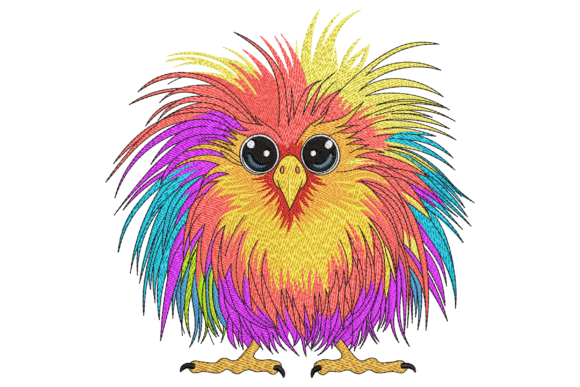
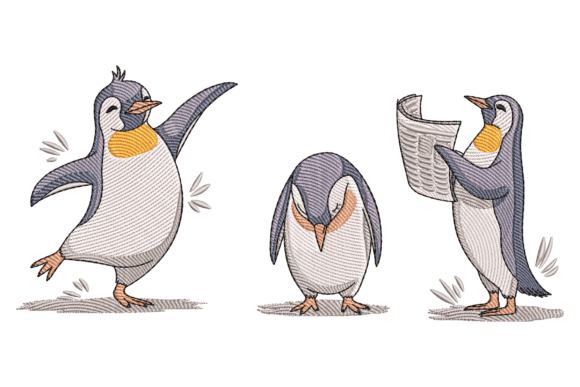
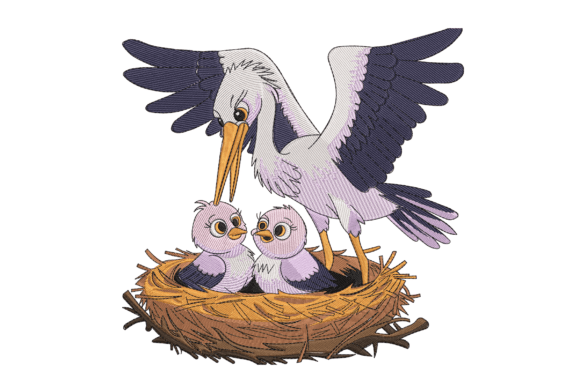
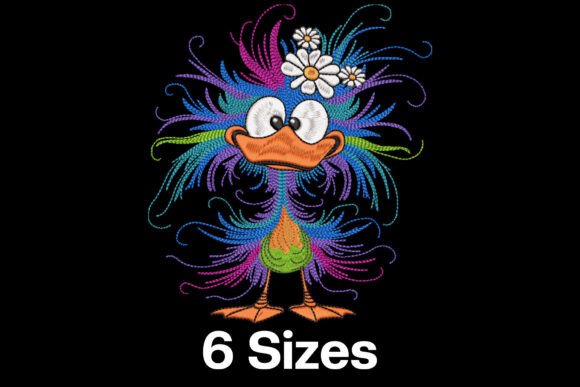
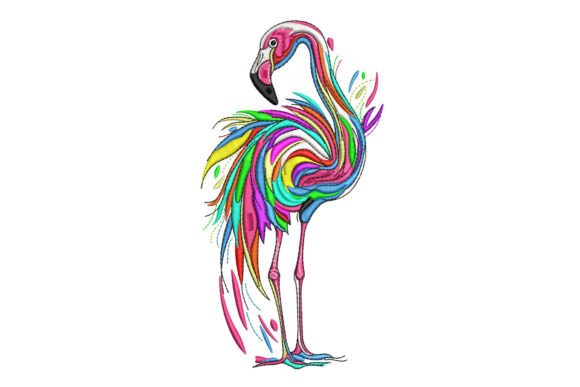
When I opened Funny Birds for the first time, I didn’t see “cute.” I saw personality—slightly mischievous, confidently unpolished, with a wink built into the beak tilt and wing angle. This isn’t a generic bird silhouette or a stiff appliqué design. It’s got rhythm: a relaxed posture, uneven feather outlines, and just enough detail in the eyes to suggest humor without cartoon overload. As a designer who regularly selects embroidery files for client projects and small-batch handmade products, that balance matters. Too much whimsy reads juvenile on adult apparel; too little feels forgettable on a tote bag or tea towel. Funny Birds lands right in the sweet spot—playful but intentional.
A Real Project Test: The Custom Embroidered Tote Bag
Last week, I stitched Funny Birds onto a natural cotton canvas tote for a local boutique’s spring launch. No frills—just a single placement on the front left panel, 3.8 inches wide. Here’s what stood out: the design held its shape beautifully across the fabric’s slight weave texture, and the satin stitch edges stayed crisp without bleeding or puckering. The fill stitch areas weren’t overly dense, which kept the tote soft and drape-friendly—critical when your finished product needs to fold neatly for retail display. Customers responded instantly: three people asked where they could buy one *before* the rack even hit the floor. That kind of organic engagement tells me Funny Birds works as both visual punctuation and brand-aligned charm—not just decoration.
Where It Shines (and Where It Needs Thought)
Funny Birds thrives in contexts where personality enhances utility:
- Custom apparel: Works especially well on sweatshirt cuffs, pocket flaps, or the back yoke of crewnecks—places where a small, expressive motif adds character without overwhelming the garment.
- Home & kitchen textiles: On tea towels and pillow covers, its lightness keeps the design from feeling heavy or dated. I tested it on linen-cotton blend—no stabilizer overkill needed, just medium tear-away.
- Baby and nursery items: Used on a onesie bib (with lightweight cutaway), it read as gentle and warm—not saccharine. Parents appreciated the subtle wit.
- Etsy listings and craft fair goods: As a digital embroidery file, it’s versatile enough to pair with neutral backgrounds in printable mockups, letting buyers imagine it on their own products without visual noise.
But let’s be real—Funny Birds isn’t universally frictionless. Use caution on:
- Stretchy fabrics like jersey knits—without proper stabilizer and hooping technique, the curved lines can distort.
- Dark or heavily textured fabrics where fine details (like the tiny running-stitch accents around the eye) may blur unless thread color contrast is carefully chosen.
- Caps and curved surfaces—the design’s width-to-height ratio makes center-front cap placement tricky. Better suited for side panels or snapback bills if scaled down thoughtfully.
- Tiny hoop sizes under 4x4 inches—some versions of Funny Birds include optional smaller variants, but the full expression lives best at 3.5–4.5 inches. Don’t force it.
What It Does for Your Handmade Product—and Your Customer’s Trust
As an embroidery designer who also sells finished goods, I pay attention to how a machine embroidery design affects perceived value. Funny Birds elevates a plain tote bag from “nice” to “I want to carry this everywhere.” Why? Because it signals care—not just in stitching, but in curation. Buyers notice when a design feels considered, not slapped on. That translates directly to trust: they believe you chose something with intention, and by extension, they trust your other offerings. For Etsy sellers and small shop owners, that quiet credibility compounds across listings. Pair Funny Birds with clean typography and consistent thread palettes, and it becomes part of your brand’s visual language—not just a one-off motif.
Practical Designer Notes Before You Stitch
Before using Funny Birds on your next project—or listing it as part of your craft business assets—here’s what I always do:
- Test on scrap fabric first, especially if working with a new substrate (e.g., terry cloth towels or brushed poly). Note how the fill stitch settles and whether the satin edges lift.
- Check thread color contrast on both light and dark fabric swatches. What reads clearly on white may vanish on navy unless you adjust top thread or underlay.
- Review stitch density visually—not just in software. Dense areas can stiffen delicate fabrics; sparse areas may look unfinished on thick weaves.
- Confirm hoop size compatibility with your machine and intended placement. If you’re embroidering patches or baby caps, verify whether the design fits your smallest hoop without scaling down critical details.
- Inspect small features like beak highlights or wing contours in black-and-white mockups—they’re often the first things to disappear on low-contrast backgrounds.
- Use appropriate stabilizer: medium-weight cutaway for knits, tear-away for stable wovens, and fusible + tear-away for nap-prone fabrics like terry.
- Verify licensing terms before selling finished items or bundling Funny Birds into digital product kits. Commercial use rights aren’t automatic—even for “fun” designs.
Final Thought: Charm With Craftsmanship
Funny Birds doesn’t try to be everything. It’s not a seasonal holiday embroidery or a technical showcase of complex fills. It’s a well-paced, confident little machine embroidery design that earns its place on real things people use and love—towels they dry dishes with, totes they carry groceries in, baby blankets they hold close. For designers, crafters, and creative entrepreneurs, that kind of quiet reliability is rare. It lets your skill shine *through* the design—not compete with it. Whether you're prepping for a craft fair, building an Etsy shop, or designing custom apparel for a local café, Funny Birds is the kind of embroidery file that quietly lifts the whole project. Just remember: let it breathe, respect the fabric, and stitch with intention.